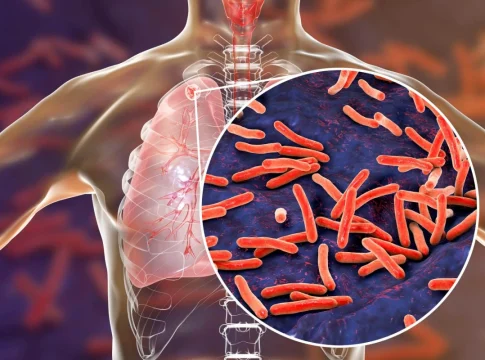
Tuberculosis (TB) is a serious infectious disease that primarily affects the lungs. It’s caused by a specific type of bacteria called Mycobacterium tuberculosis.
How Does Tuberculosis Spread?
TB spreads through the air when an infected person coughs, sneezes, talks, sings, or even laughs. These actions release tiny droplets containing the bacteria into the air. People nearby who inhale these droplets can become infected. However, it’s important to note that not everyone exposed to TB will develop the disease. A healthy immune system can usually fight off the bacteria and prevent infection.
Here’s a closer look at the factors that increase the risk of TB transmission:
- Close contact: Spending extended periods with someone who has active TB disease increases your chance of getting infected. This is especially true for household members, caregivers, and people who frequently interact with an infected person in poorly ventilated spaces.
- Crowded environments: Living or working in crowded environments with poor ventilation, such as prisons, homeless shelters, or refugee camps, can facilitate the spread of TB bacteria. This is because there’s a higher chance of inhaling droplets containing the bacteria from an infected person.
- Weakened immune systems: Individuals with compromised immune systems are more susceptible to TB infection. This includes people with HIV/AIDS, diabetes, malnutrition, or those taking medications that suppress the immune system, such as after an organ transplant.
- Substance abuse: People who smoke tobacco or misuse alcohol are more likely to develop active TB disease if they are infected with the bacteria. This is because these substances weaken the immune system’s ability to fight off TB infection.
- Age: Infants, young children, and older adults are more vulnerable to developing active TB disease due to weaker immune systems.
Symptoms of Tuberculosis
The symptoms of TB vary depending on whether the infection is latent or active.
- Latent TB Infection (LTBI):
- Most people with LTBI have no symptoms and feel perfectly healthy. They are not contagious and cannot spread the infection to others.
- LTBI is typically diagnosed through a positive tuberculin skin test (TST) or interferon gamma release assay (IGRA) blood test. These tests detect the body’s immune response to TB bacteria, not the presence of active TB disease.
- Active TB Disease:
- Persistent cough: This can last for more than three weeks and sometimes produces bloody or pus-filled sputum (phlegm).
- Fever: A low-grade fever, particularly in the afternoon or evening, is common.
- Night sweats: Profuse sweating, especially during sleep.
- Fatigue: Weakness, tiredness, and decreased appetite are frequent symptoms.
- Weight loss: Unintentional weight loss can occur due to decreased appetite and the body fighting the infection.
- Chest pain: Pain or discomfort in the chest, especially when taking a deep breath or coughing.
- Shortness of breath: Difficulty breathing, particularly with exertion.
In some cases, TB can also spread to other parts of the body besides the lungs, causing symptoms like back pain, joint pain, confusion, or headaches.
Treatment for Tuberculosis
Treating tuberculosis effectively requires a combination of antibiotics to eliminate the bacteria and prevent the development of drug-resistant strains. The specific antibiotics used and the duration of treatment depend on the type of TB infection (drug-susceptible or drug-resistant) and the individual’s overall health.
- First-line antibiotics: These are the most commonly used medications for drug-susceptible TB and include isoniazid, rifampin, ethambutol, and pyrazinamide.
- Directly Observed Therapy (DOT): In some cases, healthcare providers may directly observe patients taking their TB medications during the initial phase of treatment. This helps ensure adherence to the treatment plan, which is crucial for successful treatment and preventing the development of drug resistance.
- Treatment duration: The length of TB treatment depends on the specific case but usually lasts for six to nine months for drug-susceptible TB. Completing the entire course of medication is essential to eliminate the bacteria and prevent relapse.
- Follow-up monitoring: Regular follow-up visits and monitoring are crucial to assess treatment progress, manage side effects, and ensure completion of therapy. This may involve chest X-rays, sputum tests, and blood tests.
- Isolation: Patients with active TB disease may need to be isolated to prevent spreading the infection to others until they are no longer contagious. This typically involves staying in a well-ventilated room and taking precautions like wearing a mask when around others.
In cases of drug-resistant TB or complications arising from TB (such as TB meningitis or disseminated TB), treatment may involve second-line antibiotics and may require longer durations of therapy